How Schlage smart lock architecture is shifting from Wi-Fi to Thread and UWB
What changed in the Schlage smart lock lineup
A Schlage smart lock is no longer just a keypad deadbolt paired with an app. The current lineup now spans three overlapping architectures: built-in Wi-Fi locks for straightforward remote control, Apple Home-oriented models with home key support, and the newer Schlage Sense Pro design, which adds Matter over Thread and Ultra Wideband for hands-free unlocking. Schlage announced Sense Pro on June 16, 2026, with purchase availability beginning June 29, 2026. It is one of the clearest signs that premium residential locks are moving toward local low-power networking and phone-based credentials.
For buyers, the practical question is not simply which model has the longest feature list. It is which connectivity path fits the home: direct Wi-Fi, Apple Home, Matter over Thread, Z-Wave, or a rental-management workflow.
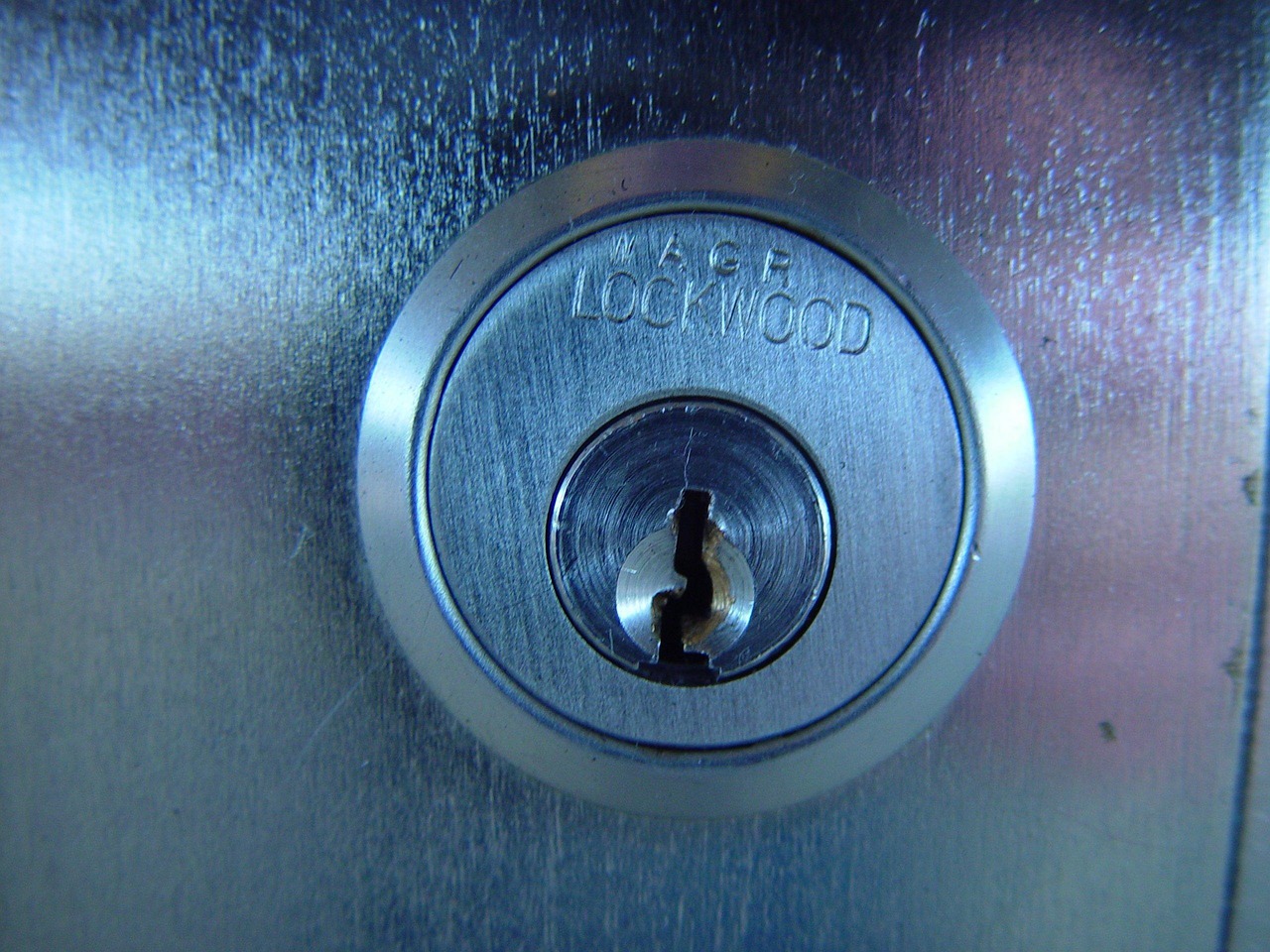
That shift matters for device architecture because a front-door lock combines mechanical security, embedded electronics, radio design, mobile identity, cloud services and fail-safe access in one small battery-powered product.
From Wi-Fi control to multi-radio door architecture
The original appeal of the Schlage Encode family was simple: built-in Wi-Fi removes the need for a separate bridge or hub for remote access. Schlage product materials describe the Encode Smart WiFi Deadbolt and Encode Smart WiFi Lever as locks that connect to the home Wi-Fi network and use the Schlage Home app for remote status, locking, unlocking, access-code management, notifications and history. The newer Schlage Arrive Smart WiFi Deadbolt follows a similar simplicity-first route, using built-in Wi-Fi and a push-button keypad for a lower-cost entry point.
Wi-Fi is convenient because most homes already have it. The trade-off is power consumption. A lock does not need to stream data; it needs short, reliable command-and-status messages, secure credential handling and long standby life. That is why the industry has been shifting some smart-home device classes toward lower-power local networks.
Schlage Sense Pro keeps Wi-Fi in the architecture for remote management through the Schlage Home app, but its smart-home integration layer is Matter over Thread. Matter is the application-level standard intended to help smart-home devices work across ecosystems. Thread is the low-power mesh network that carries messages locally. CSA materials describe Matter as using familiar networking technologies including Wi-Fi, Thread and Ethernet, while Thread Group materials position Thread as a low-power, IP-based mesh protocol for smart homes.
In practice, Wi-Fi remains useful for app reachability and cloud-connected features. Thread is better suited to frequent, low-power lock-state communication inside the home. The result is not one radio replacing another in every situation, but a split architecture where each radio has a clearer role.
A practical comparison by connectivity path
Schlage’s published product pages and support materials show that the model name alone does not explain the architecture. The more important distinction is the connectivity stack and the access method attached to it.
| Model family | Primary architecture | Notable access methods | Best-fit scenario |
|---|---|---|---|
| Schlage Arrive Smart WiFi Deadbolt | Built-in Wi-Fi with Schlage Home app control | Push-button keypad, app control, scheduled codes | Simple smart deadbolt upgrades, secondary entries and cost-sensitive installations |
| Schlage Encode Smart WiFi Deadbolt or Lever | Built-in Wi-Fi with app and ecosystem integrations | Keypad, app control, access codes, voice-assistant integrations | Homes that want remote access without a separate hub |
| Schlage Encode Plus Smart WiFi Deadbolt | Built-in Wi-Fi plus Apple Home and Apple home key support | Keypad, app control, iPhone or Apple Watch tap to unlock | Apple-focused homes that want wallet-based tap access |
| Schlage Sense Pro Smart Deadbolt | Wi-Fi for remote management plus Matter over Thread for smart-home integration | Keypad, Apple home key tap to unlock, UWB hands-free unlock, app control | Homes prepared for Thread border routers and newer mobile-credential workflows |
| Schlage Connect Smart Deadbolt | Z-Wave or Zigbee hub-based architecture, depending on model | Touchscreen or keypad, hub-managed remote control | Existing security panels or home-automation systems built around Z-Wave or Zigbee |
This comparison also points to a common buying mistake: assuming every Schlage smart lock behaves the same in Apple Home, Alexa, Google Home or a security panel. The radio stack and setup path determine which automations, access-code tools and remote functions are available.
The access layer is moving from PINs to phones and watches
PIN codes remain important because they are universal, easy to share and do not require a guest to install an app. Schlage materials list scheduled access codes as a major feature across several Wi-Fi models. The limits vary by product: recent Schlage literature lists up to 100 codes for Encode Plus and Encode Wi-Fi models, while Arrive and Sense Pro materials describe up to 250 custom or unique access codes. In other words, access-code capacity has become a product-management feature, not just a keypad specification.
The larger architectural change is mobile credentialing. Encode Plus brought Apple home key into the Schlage residential lineup, allowing compatible iPhone and Apple Watch users to tap to unlock. Apple support materials describe home key as a Wallet-based access method for compatible locks, with Express Mode allowing a nearby iPhone or Apple Watch to unlock without additional interaction.
Sense Pro extends that approach from tap-to-unlock to hands-free unlocking. According to Schlage’s June 16, 2026 announcement and Sense Pro product page, Schlage Converge technology uses Ultra Wideband to evaluate speed, trajectory and motion toward the door before unlocking. That is materially different from basic Bluetooth proximity or geofencing, which can struggle to distinguish someone walking past the door from someone intending to enter.
Schlage also says Sense Pro is Aliro compatible and, once certified, is expected to support Samsung Wallet and Google Wallet digital keys later in 2026. That statement needs to be read as a forward-looking compatibility claim from the manufacturer, not proof that every wallet, phone and region already supports every promised feature.
Hardware security still defines the system boundary
Smart-lock discussions often focus on apps and radios, but the front door remains a mechanical security system. A deadbolt must resist physical attack, tolerate weather exposure, operate smoothly when the door shifts seasonally and recover gracefully when batteries are low. Schlage’s smart lock pages say the Encode family and Arrive locks have BHMA AAA ratings for residential security, durability and finish, while Sense Pro and Connect are listed as BAA. BHMA’s Secure Home program explains those three letters as separate grades for security, durability and finish, with A as the highest rating in each category.
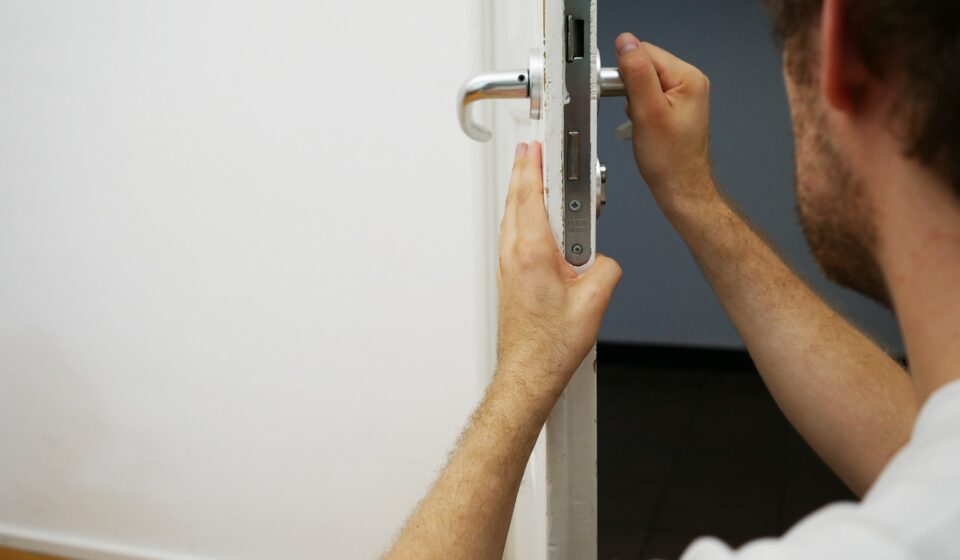
Those grades are useful, but they do not replace proper installation. A motorized deadbolt that rubs against the strike plate will use more energy and may report lock failures even if its radio network is strong. Door alignment, bolt throw, strike-plate installation, screw length and weather swelling are part of the real-world architecture. A smart lock cannot fully compensate for a poorly fitted door. See also: embedded platforms.
Recovery design also differs by model. Many Schlage smart locks retain a physical keyway. Sense Pro is positioned as a keyway-free design, which reduces exposure to keyway bumping or picking but makes battery alerts and emergency power more important. Schlage’s Sense Pro launch note states that the product includes low-battery indications and a USB-C jumpstart port for temporary power if the batteries run out.
On the digital side, Schlage product materials emphasize encrypted connections and firmware or software maintenance. NIST’s consumer IoT guidance is useful background here: security should be evaluated across the entire product, including the device, companion app, cloud service, software updates and data protection. For a smart lock, the mobile account and home network are part of the security model, not separate conveniences.
Which architecture fits which home
The best Schlage architecture depends on the surrounding home system.
- For simple remote control: Arrive or Encode Wi-Fi models are the cleanest path because they do not require a separate smart-home hub for remote app access.
- For Apple households: Encode Plus remains attractive for Apple home key tap-to-unlock, while Sense Pro is the more advanced option for homes that can meet Thread hub and device requirements.
- For Matter and local smart-home control: Sense Pro is the most relevant Schlage model because it supports Matter over Thread, but it requires a suitable Thread-enabled home hub or border router for that architecture to matter.
- For existing security systems: Schlage Connect may be more logical when the home already depends on a Z-Wave or Zigbee security panel.
- For short-term rentals: Encode-family Wi-Fi models and Arrive are easier to understand because access-code scheduling, app management and remote status are central features.
Buyers should also account for ecosystem readiness. A Matter over Thread lock may need a compatible border router, updated software and newer phones or watches for the most advanced hands-free features. A Wi-Fi lock may be less elegant architecturally, but it can be easier to deploy when the household is not standardized around Apple Home, Matter or a security hub.
What this means for smart lock design
Schlage’s lineup illustrates a broader smart-home trend: premium locks are becoming credential readers and network nodes, not just motorized deadbolts. The keypad is still useful, but the higher-end experience is increasingly built around mobile identity, local low-power networking and intent detection at the door.
That can create a better user experience, but it also adds dependencies. The lock must coordinate with a phone or watch, a home hub, a Thread network, a cloud account, a companion app and a mechanical door assembly. The benefit is more flexible access and potentially better battery-aware local communication. The limitation is that troubleshooting becomes more architectural: a failed unlock may involve the battery, the latch, the phone, the border router, the smart-home platform or the credential itself.
For homeowners, the safest purchase decision is to start with the ecosystem and the door, not the feature list. If the door is poorly aligned, fix that first. If the home has no Thread infrastructure, do not buy a Thread lock only for the label. If Apple home key is the must-have feature, confirm device and software compatibility before installation. A Schlage smart lock can be a strong connected-door platform, but only when its mechanical, radio and credential layers match the actual home.
Frequently asked questions
Does every Schlage smart lock use Wi-Fi?
No. Several current residential models, including Encode, Encode Plus and Arrive, use built-in Wi-Fi for remote access. Sense Pro also includes Wi-Fi for remote management but uses Matter over Thread for smart-home integration. Schlage Connect is designed around Z-Wave or Zigbee hub systems, depending on the version.
Is Matter over Thread always better than Wi-Fi for a lock?
Not always. Matter over Thread is attractive for low-power local smart-home communication, but it requires the right hub or Thread border router. Built-in Wi-Fi is simpler for many homes because it can provide remote access without adding a separate smart-home controller.
What is the main difference between Encode Plus and Sense Pro?
Encode Plus is centered on built-in Wi-Fi, Apple Home support and Apple home key tap-to-unlock. Sense Pro adds Matter over Thread and Ultra Wideband-based hands-free unlocking through Schlage Converge technology, but it also has more ecosystem and device requirements.
Should a smart lock still have a physical key?
It depends on the design priority. A physical keyway is a familiar fallback, while a keyway-free lock removes one mechanical attack surface and one item to manage. If choosing a keyway-free design, battery alerts, emergency power and account recovery become especially important.