Kwikset deadbolt with SmartKey explained for homeowners
What a Kwikset deadbolt with SmartKey actually is
A Kwikset deadbolt with SmartKey is not automatically a connected smart lock. In most product listings, SmartKey refers to Kwikset’s mechanical re-key technology. It allows a homeowner to change the key that operates the lock cylinder without removing the deadbolt from the door.
That makes it useful after moving into a home, losing a key, changing roommates, ending contractor access, or matching several exterior doors to one key. The main benefit is key-control convenience: the cylinder can be reset with the current working key, a compatible new key, and the SmartKey tool. It does not replace solid door construction, a properly installed strike plate, or careful control of key copies. You can also explore more in device architecture.
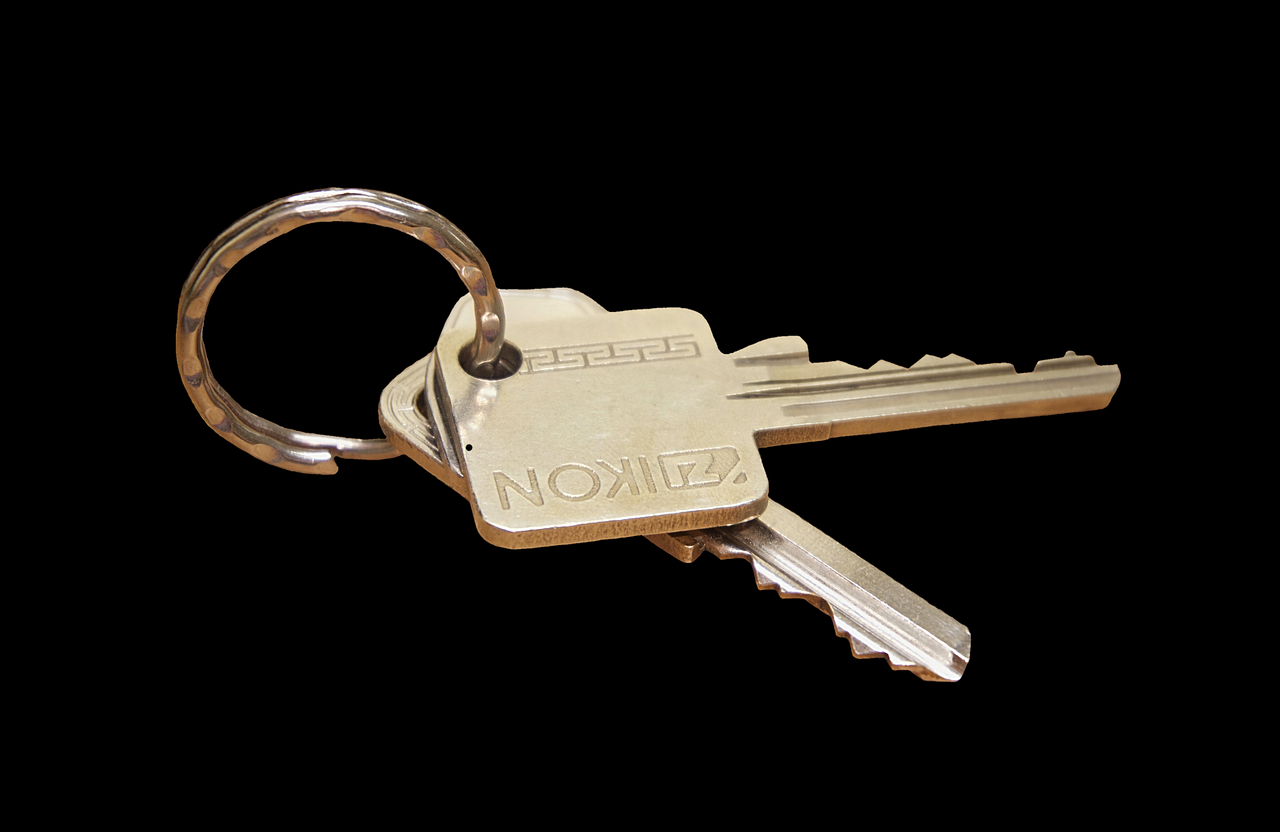
For readers comparing residential lock hardware as part of a broader connected-home or security setup, this topic sits between mechanical access control and smart-home devices. You can find related hardware explainers in our device architecture section.
How SmartKey changes the traditional deadbolt model
A conventional residential deadbolt normally uses a cylinder that must be re-pinned by a locksmith or a trained user with the right pin kit. That process usually involves removing the cylinder, replacing small internal pins to match a new key cut, then reinstalling and testing the lock.
SmartKey changes that service model by placing a resettable re-key mechanism inside the lock cylinder. At the user level, the deadbolt still throws and retracts a bolt into the door frame, but the key cylinder can be taught to recognize a different compatible key.
The visible SmartKey slot is not an electronic sensor, a wireless module, or a battery-powered reader. It is a mechanical reset interface used during the re-key process.
Kwikset’s own product and support materials describe SmartKey Security as a re-key technology that can be reset by the user and is designed to resist common lock-picking and lock-bumping techniques. The company also notes that SmartKey products are generally tied to Kwikset-compatible keyways, with some models or variants supporting KW1 or SC1 keyway options. Because availability varies by product line and finish, the keyway should be checked on the exact model rather than assumed from the SmartKey label alone.
When a SmartKey deadbolt is most useful
The clearest use case is fast key control. If you have a working key and want to invalidate old copies, a SmartKey deadbolt can avoid a service call for a basic re-key. That can matter in several common residential situations:
- After moving in: previous owners, agents, cleaners, contractors, or neighbors may still have copies of the old key.
- After a lost or stolen key: re-keying can make the missing key useless if the lock is reset correctly.
- For multi-door homes: several compatible Kwikset SmartKey locks can often be set to operate with one key, reducing key clutter.
- For short-term access changes: a homeowner can re-key after a temporary access need ends, as long as the current working key is available.
- For rental turnover: property owners may value the speed of changing key access, although local rental rules and professional security practices still matter.
The important condition is that normal SmartKey re-keying requires the current working key. If that key is missing, the process is not the same as a routine re-key. In that situation, the practical options are usually professional service, cylinder service where available, or replacing the lock. Owners should avoid improvised reset attempts that can damage the cylinder or leave the lock unreliable.
Security claims, grades, and what they do not prove
SmartKey is often marketed around pick resistance, bump resistance, and homeowner re-keying. Those are useful features, but they do not prove that every Kwikset deadbolt with SmartKey offers the same security level. The deadbolt model, grade, door preparation, frame strength, strike hardware, and installation quality all affect the real security outcome.
ANSI/BHMA grades are one way to compare residential lock hardware. In general, Grade 1 is the highest of the traditional ANSI/BHMA grade levels, followed by Grade 2 and Grade 3. Some current residential hardware information also presents separate ratings for security, durability, and finish. Kwikset sells SmartKey deadbolts across different product tiers, so a buyer should read the grade listed for the specific deadbolt, not just the cylinder technology.
| Feature to check | Why it matters | What not to assume |
|---|---|---|
| ANSI/BHMA grade | Shows tested performance level for the lock category | Do not assume all SmartKey deadbolts are Grade 1 |
| Keyway type | Determines which key blanks can be used | Do not assume every model accepts the same key profile |
| Single-cylinder or double-cylinder design | Affects operation from the interior side of the door | Do not choose a double-cylinder model without checking safety and code concerns |
| Strike plate and screws | Frame attachment is critical in forced-entry resistance | Do not rely on the cylinder alone to secure a weak door frame |
| Door alignment | A misaligned bolt can bind, wear, or fail to extend fully | Do not treat re-keying as a fix for poor installation |
A practical way to think about SmartKey is that it solves one access-control problem: changing who can use a key. It does not solve every physical-security problem. A poorly fitted door, short strike screws, hollow frame material, glass near the lock, or a deadbolt that does not fully extend can reduce security regardless of the cylinder design.
SmartKey versus a smart deadbolt
The phrase “smart key” can confuse shoppers because it sounds similar to “smart lock.” A Kwikset deadbolt with SmartKey may be entirely mechanical. A Kwikset smart deadbolt, by contrast, may include a keypad, fingerprint reader, Bluetooth, Wi-Fi, Z-Wave, Matter support, or app-based access depending on the model. Some electronic Kwikset deadbolts also include SmartKey as the backup key cylinder, but the features should be evaluated separately.
That distinction matters for buying decisions. If the goal is to re-key the lock after a lost key, SmartKey may be the relevant feature. If the goal is remote locking, guest codes, event history, or integration with a home automation system, an electronic smart lock model is required. Buyers who want both should look for a smart deadbolt that specifically includes a SmartKey cylinder and the connectivity features they need.
Mechanical convenience
Mechanical SmartKey re-keying does not depend on batteries, firmware, cloud services, or wireless protocols. The lock can still be operated by a physical key. That simplicity is an advantage for users who want key-control flexibility without adding digital access management.
Connected access control
A connected smart deadbolt adds convenience but also adds more variables: battery maintenance, account security, network reliability, app support, and compatibility with a specific smart-home ecosystem. The cylinder is only one part of the device architecture.
How the re-key process works in practice
Kwikset’s support instructions outline a short process, but the details matter. The door should be open before starting so the user does not accidentally lock themselves out. For a deadbolt, the lock is typically placed in the locked position during the procedure. The current working key is inserted and turned, the SmartKey tool is inserted into the small reset slot, the old key is removed, and the new compatible key is inserted and rotated according to the manufacturer’s instructions. See also: embedded platforms.
Afterward, the new key should be tested and the old key should be confirmed inactive while the door is still open. The process is manageable for many homeowners, but it is not a step to rush. A partially inserted key, wrong rotation, incompatible key blank, or forced cylinder can create a failed re-key. If the cylinder feels wrong, binds, or does not complete the sequence smoothly, stopping and checking the official instructions is safer than applying extra force.
A practical testing routine is worth using every time:
- Keep the door open throughout the test.
- Lock and unlock the deadbolt several times with the new key.
- Test the inside thumb turn if the model has one.
- Confirm that the previous key no longer operates the cylinder.
- Close the door only after the bolt extends and retracts cleanly into the strike.
This sequence checks both the re-key result and the door alignment. A deadbolt that works when the door is open but binds when the door is closed may have a strike alignment problem rather than a cylinder problem.
Buying checklist for a Kwikset deadbolt with SmartKey
Before buying, start with the door and the security goal, not the brand label. Most residential buyers should confirm the following points on the exact product page, packaging, or installation sheet:
- Door thickness and bore compatibility: the deadbolt must fit the door preparation.
- Backset: many residential doors use either 2-3/8 inch or 2-3/4 inch backset, but the lock must support the actual door.
- Single-cylinder or double-cylinder operation: single-cylinder deadbolts use a key outside and a thumb turn inside; double-cylinder deadbolts require a key on both sides and may raise emergency-egress concerns.
- ANSI/BHMA rating: choose the grade appropriate for the door’s risk level and use frequency.
- Keyway: make sure the lock can be keyed to the key type you intend to use.
- Finish and environment: exterior exposure, coastal conditions, and door hardware finish should be considered.
- Smart-home features: if app or keypad access is needed, confirm those features separately from SmartKey.
It is also worth considering the whole opening. Upgrading the deadbolt while leaving a weak strike plate, damaged jamb, or poorly aligned door may deliver less improvement than expected. In many homes, the best value comes from combining a suitable deadbolt with long strike screws, correct latch alignment, and disciplined key management.
Common mistakes to avoid
The most common mistake is buying SmartKey when the real need is a connected smart lock. The second is assuming that SmartKey alone defines the security grade of the entire deadbolt. The third is attempting a re-key without the current working key and then forcing the mechanism. These mistakes come from treating SmartKey as a universal security upgrade rather than a specific mechanical re-key feature.
Another mistake is keeping too many working copies after re-keying. The value of re-keying comes from reducing unknown access. If old copies are not actually invalidated, or if new copies are handed out without tracking, the lock’s convenience feature cannot compensate for weak key-control habits.
Finally, homeowners sometimes ignore the frame side of the installation. A deadbolt secures the door by extending into the strike and frame. If that receiving structure is weak, misaligned, or installed with short screws, the cylinder’s resistance to picking or bumping may be less relevant than the strength of the opening as a whole.
Frequently asked questions
Is a Kwikset deadbolt with SmartKey the same as a smart lock?
No. SmartKey is a mechanical re-key feature. Some Kwikset electronic deadbolts may include SmartKey as the backup key cylinder, but keypad, app, Wi-Fi, Bluetooth, or smart-home compatibility are separate features.
Can I re-key a SmartKey deadbolt without the old key?
Routine SmartKey re-keying is designed to use the current working key. If that key is not available, the safer choices are professional help or lock replacement, depending on the model and situation.
Can several Kwikset SmartKey locks use one key?
Often yes, if the locks use compatible SmartKey cylinders and compatible keyways. The exact key profile matters, so check the product details before assuming that every lock can be matched to the same key.
Does SmartKey make a deadbolt bump-proof?
Kwikset describes SmartKey Security as designed to resist lock bumping and picking. That claim applies to the cylinder technology, but complete door security also depends on the deadbolt model, installation, strike plate, frame, and surrounding door construction.
Should I choose a single-cylinder or double-cylinder SmartKey deadbolt?
For many homes, a single-cylinder deadbolt is simpler because it uses a thumb turn inside. A double-cylinder deadbolt requires a key on both sides and may create emergency-exit concerns, so local code, door layout, and household safety should be checked before choosing one.