What an Android embedded device needs beyond standard Android

An Android embedded device is a purpose-built product that uses Android or AOSP as its operating platform for a defined function, such as a kiosk, handheld terminal, display controller, industrial panel, vehicle infotainment unit or connected appliance. The value is not only the familiar interface. Android also brings a mature app framework, touch UI, multimedia stack, networking, device management options and a large developer ecosystem.
The risk is that teams treat it like a consumer phone project. In embedded use, the difficult work is usually board support, boot integrity, remote management, update policy, lifecycle ownership and deciding whether Google services, compatibility testing or a locked-down kiosk model are required.
The practical definition of an Android embedded device
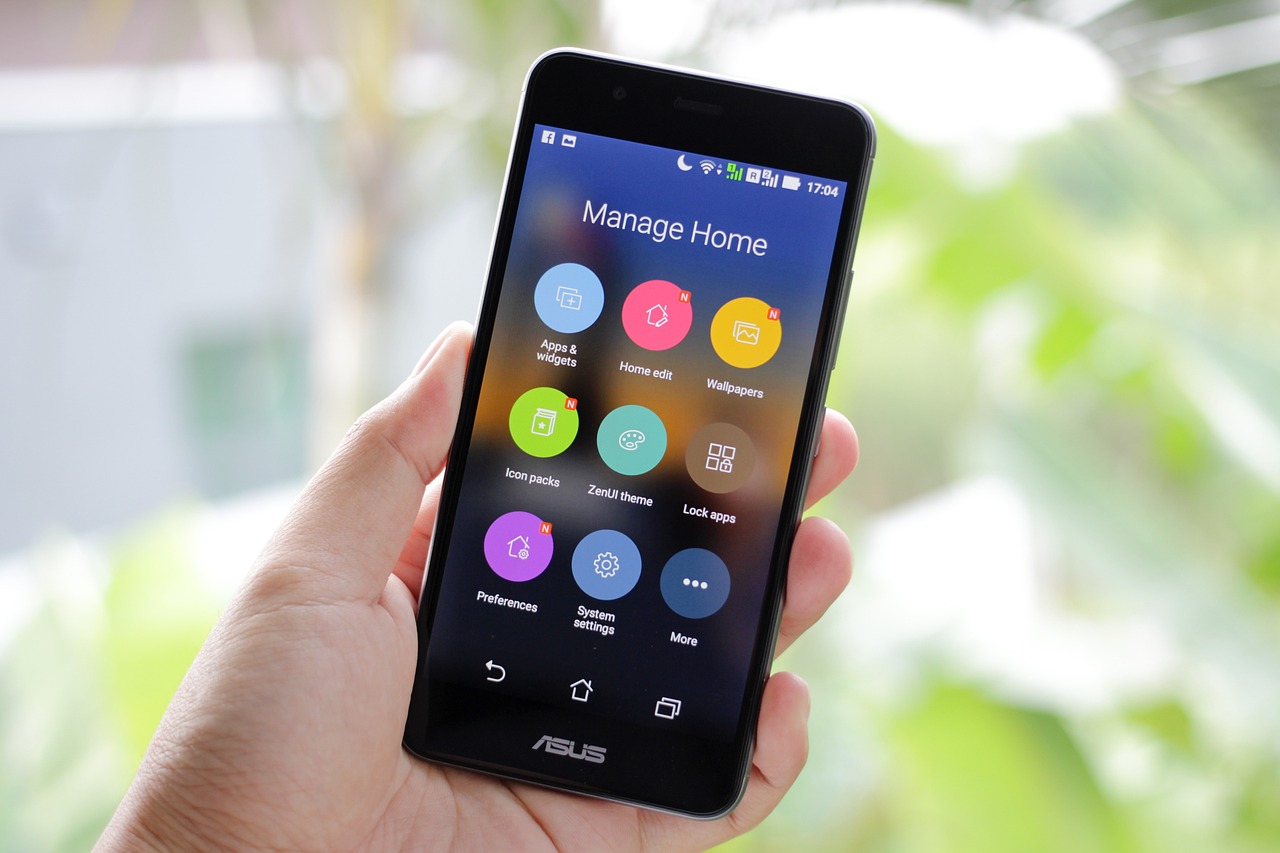
An Android embedded device is normally dedicated to a product function rather than sold as a general-purpose smartphone or tablet. It may use AOSP, a board vendor Android release, Android Automotive OS, or a managed Android Enterprise deployment on commercial hardware. In most cases, Android sits above a hardware platform, kernel, bootloader, device tree, vendor firmware, hardware abstraction layers and system services. The visible product experience is then delivered through one or more controlled applications.
This definition matters because the word embedded changes the success criteria. A consumer device can rely on frequent replacement cycles, user-controlled apps and broad app-store behavior. An embedded product is often expected to run for years, survive power interruptions, boot into the required application, recover from failed updates, limit user access and be supportable by non-technical operators.
Android Automotive OS is a useful example of the distinction. AOSP documentation describes it as Android running directly on in-vehicle hardware, not merely a phone projection system. The same principle applies outside vehicles: the product team is responsible for turning Android from a flexible mobile platform into a controlled system image for a specific operating environment.
When Android is a better fit than smaller embedded platforms
Android is not automatically the right choice for every embedded product. It fits best when the device needs a rich local interface, application-level extensibility, strong multimedia support or enterprise-style management. It is less attractive for ultra-low-power sensors, deeply constrained controllers or hard real-time tasks. Those use cases are often better handled by an RTOS, microcontroller firmware or a split architecture where Android controls the UI and a separate MCU handles deterministic I/O.
| Requirement | Android embedded device fit | Alternative to consider |
|---|---|---|
| Large touch display, camera, audio, maps or media | Strong fit because Android already includes mature UI and media frameworks | Embedded Linux with a custom UI stack if app compatibility is not needed |
| Single-purpose kiosk or shared frontline terminal | Strong fit when Android Enterprise dedicated device controls are available | Locked-down Linux image for simpler fixed-function devices |
| Battery sensor that wakes briefly and transmits small data | Usually poor fit because Android needs more memory, storage and power | MCU with RTOS or bare-metal firmware |
| Industrial HMI with cloud connectivity and local apps | Good fit if the hardware vendor supports the required Android branch | Embedded Linux if browser-only or Qt-style applications are enough |
| Safety-critical control loop | Use Android only for supervision or UI, not the deterministic control path | Certified RTOS, PLC or dedicated controller |
For broader notes on boards, operating systems and long-life platform choices, see the embedded platforms section.
Architecture decisions that shape the roadmap
Hardware and board support
The first architectural decision is not the screen size or app design. It is whether the selected system-on-chip, module or single-board computer has a maintainable Android board support package. Before committing to a bill of materials, product teams should confirm the Android version supported by the vendor, kernel maintenance status, bootloader access, graphics and camera driver maturity, peripheral interfaces, thermal behavior, storage endurance and update mechanism.
Many Android embedded failures start with an attractive prototype board that has no realistic production support path. A demo image may boot, but production needs repeatable flashing, signed builds, factory reset behavior, logs, crash recovery, OTA packaging and a way to reproduce defects months later. The vendor relationship is therefore a lifecycle dependency, not only a component purchase.
AOSP, compatibility and Google services
AOSP can be used to build Android-based system images, but using AOSP is not the same as shipping a device that is compatible with the broader Android application ecosystem. The Android Compatibility Definition Document defines requirements for compatible Android implementations, and testing such as CTS is part of that compatibility path. If the product needs Google Play, Google Mobile Services or consumer-style app distribution, licensing and compatibility become separate planning items.
For many embedded products, a controlled AOSP-based image without Google services is acceptable or even preferable. The device may run one native Android app, a WebView application, a launcher, a payment app set, a diagnostics agent and a management client. In that model, the product owner controls the software catalog and accepts responsibility for application updates, device policy and security maintenance.
Application layer and kiosk control
The application design should match the operational role of the device. Google Android Enterprise documentation defines dedicated devices as fully managed devices used for a specific purpose, including inventory management, field service, transport and logistics, kiosks, digital signage and hospitality check-in. For these deployments, Android offers lock task mode, which can restrict the user to a single app or an allowlisted set of apps.
Lock task mode has been available since Android 5.0 for fully managed devices, while newer Android versions expanded what a device policy controller can do with secondary users and system UI features. This detail matters in embedded projects because a locked experience is not just a full-screen app. It requires device-owner provisioning, allowlisting, update handling, user restrictions, recovery paths and a tested escape procedure for support staff.
Security and remote management are product requirements
Security for an Android embedded device should be treated as a product feature, not as a compliance note at the end of development. Android provides useful foundations such as application sandboxing, permissions, SELinux policy, verified boot and a mature update ecosystem. The final security posture still depends on how the device maker signs images, limits debug access, configures network exposure, handles credentials and manages updates after shipment. See also: device architecture.
NISTIR 8259A, published by the U.S. National Institute of Standards and Technology in May 2020, is a practical reference for connected device planning. Its core baseline highlights capabilities such as device identification, device configuration, data protection, logical access to interfaces, software update and cybersecurity state awareness. For Android-based embedded products, those categories translate into concrete design questions:
- Can each device be uniquely identified in inventory, support tools and update systems?
- Can configuration be changed securely without exposing hidden debug menus to public users?
- Are stored credentials, logs and local user data protected if the device is stolen?
- Are ADB, USB, Bluetooth, Wi-Fi and local network services restricted for the deployment environment?
- Can authorized teams deliver signed updates and verify whether a device is current?
- Can the device report health, patch level, app version, policy state and failed update attempts?
Android Verified Boot is especially relevant for unattended devices. AOSP documentation describes verified boot as a chain of trust from a hardware-protected root of trust through the bootloader and verified partitions, with rollback protection in Android Verified Boot. In product terms, this helps reduce the risk that an attacker or failed maintenance process can persistently replace system code with an older or modified image.
Update strategy and lifecycle planning
The update plan should be written before production, not after the first vulnerability report. AOSP Android Security Bulletins are published monthly, and the AOSP bulletin overview states that platform security fixes are merged into AOSP 24 to 48 hours after the quarterly security bulletin is released in March, June, September and December. As a recent example, the bulletin page listed the September 2026 bulletin as published on September 8, 2026, with September 2026 patch levels.
That schedule does not mean every embedded product automatically receives a ready-to-install update. Chipset fixes, board vendor patches, kernel changes, proprietary driver updates and application compatibility tests still have to be integrated by the product supply chain. This is why the support commitment of the SoC vendor and ODM can matter as much as the Android framework version.
For long-life devices, product teams should define three dates: the last date for feature changes, the last date for security maintenance and the final date for cloud or management service support. Customer-facing documentation should also explain whether updates are automatic, scheduled, staged, deferred during operating hours or manually approved. Dedicated devices may need update freeze windows during business-critical periods, a capability described in Android Enterprise materials for managed deployments.
A planning checklist for product teams
Before selecting Android for an embedded product, teams should build a short decision record that can survive purchasing, engineering and support reviews. The following checklist is a practical starting point.
- Product role: define whether the device is a kiosk, HMI, handheld terminal, media endpoint, in-vehicle unit, appliance interface or hybrid controller.
- Hardware platform: confirm CPU, GPU, memory, storage endurance, thermal envelope, cellular or Wi-Fi modules, camera interfaces and industrial I/O needs.
- Android branch: document the Android version, kernel baseline, vendor BSP source access, binary blobs and expected maintenance window.
- Compatibility target: decide whether the product needs AOSP only, Android compatibility, Google services, enterprise management or a fully closed app set.
- Security controls: plan image signing, verified boot, SELinux policy, app permissions, credential storage, debug-port policy and factory provisioning.
- Management model: choose a device policy controller, Android Management API path, third-party EMM, custom updater or offline maintenance process.
- App model: define launcher behavior, lock task mode, app allowlist, update channel, crash recovery, logs and operator workflows.
- Update process: test staged OTA delivery, rollback, failed-download recovery, low-battery behavior, network interruption and factory reset handling.
- End-of-life plan: define the support period and what happens when the Android branch, chipset BSP or cloud management service reaches end of support.
The product-planning conclusion is straightforward: Android can be a strong embedded platform when the device benefits from its UI, application and management ecosystem, but it raises the bar for lifecycle engineering. The decision should be based on the whole system, not on whether a prototype image boots on a development board.
Frequently asked questions
Is an Android embedded device the same as an Android tablet?
No. A tablet is a general-purpose consumer or enterprise device. An Android embedded device is designed around a dedicated product function, controlled software stack, predictable update policy and often a locked user experience. Some projects use commercial tablets as embedded endpoints, but the operational requirements are still embedded requirements.
Can an Android embedded product run without Google Play?
Yes. Many products use AOSP-based images and install only the required applications through factory provisioning, private update tools or device-management systems. If the product needs Google Play, Google APIs or Google-branded services, compatibility and licensing must be planned separately.
Is Android suitable for industrial control?
Android can be suitable for industrial dashboards, handheld terminals, gateways with local UI and supervisory control panels. It should not be treated as the deterministic layer for hard real-time safety or motion-control loops. A common design is to let an MCU, PLC or RTOS handle time-critical control while Android handles visualization, connectivity and operator workflows.
What is the biggest hidden cost in Android embedded projects?
The hidden cost is usually lifecycle maintenance. Board support, security patches, driver updates, OTA testing, fleet management, certification and end-of-life planning can exceed the effort of the initial app. Teams that choose a well-supported hardware platform and define update ownership early are more likely to avoid expensive redesigns later.