Electronic locks for sliding doors in access control systems

What makes electronic locks for sliding doors different
Electronic locks for sliding doors are not standard smart locks installed sideways. Because a sliding panel travels parallel to the wall or frame, the lock has to resist pull, lift, pry and lateral sliding forces without interfering with smooth door travel. The right architecture depends on the opening: a residential patio door, an interior pocket door, a framed glass office partition, an automatic storefront door or a cabinet enclosure will each create different constraints. In an access control system, the lock is only one component. Power supply, release logic, position sensing, manual egress and mechanical alignment often decide whether the installation is dependable in daily use. This article focuses on device architecture for readers comparing options in smart hardware and device architecture projects.
Main lock architectures used on sliding doors
The first decision is mechanical. Hinged doors commonly use cylindrical locks, mortise locks or electric strikes because the latch enters a fixed strike plate as the door swings shut. Sliding doors usually need a hook, bolt, pin, clamp or magnetic holding method because the panel closes by traveling along a track. That changes the holding geometry, the release sequence and the likely failure modes.
Motorized hook bolts and deadbolts
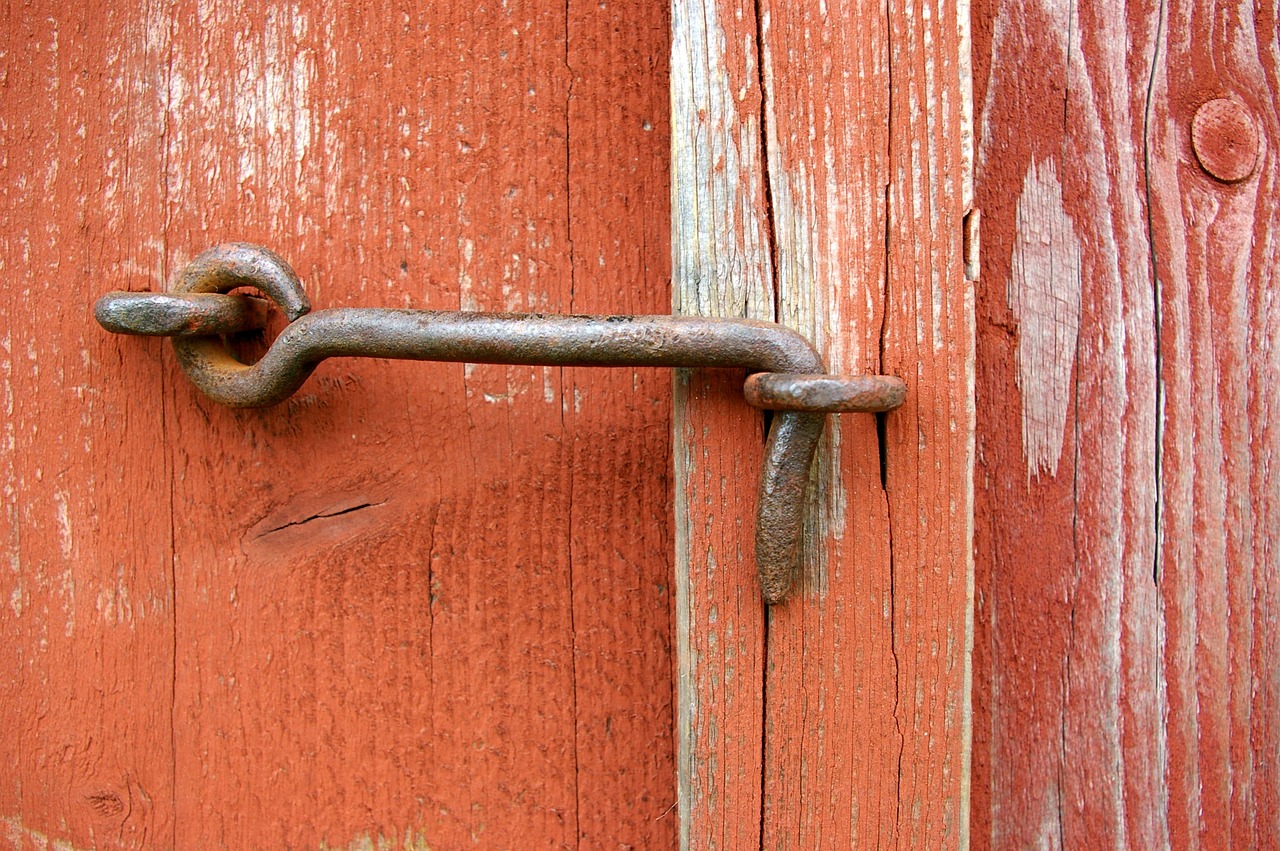
A motorized hook bolt is a common architecture for framed sliding doors. When the door reaches the closed position, a hook-shaped bolt rotates or drives into a keeper fixed to the jamb or adjacent panel. The hook shape helps resist the door being pulled or slid open. In residential patio doors and light commercial partitions, this design can provide a familiar locked state while adding keypad, card, app or controller-based release.
The main challenge is alignment. Sliding panels can sag, expand, move in wind or shift as rollers wear. If the hook and keeper do not meet cleanly, the motor may stall or the door may be only partly secured. Better systems use a door-position sensor, bolt-position feedback and a control rule that does not report locked until the bolt is fully thrown. For battery products, the motor also has to deliver enough torque without draining cells too quickly.
Electromagnetic and shear locking
Electromagnetic locks use powered coils to hold an armature plate. On conventional swing doors, a surface magnetic lock pulls the door against the frame. On sliding doors, the geometry is less straightforward because the holding force may not align with the direction of door travel. For that reason, shear magnetic locks or purpose-built sliding-door electromagnetic assemblies are usually more suitable than a standard maglock mounted on a moving panel.
The benefit is low mechanical wear because there is no latch bolt sliding into a strike. The limitation is dependence on power and release logic. In many egress applications, electromagnetic locking needs careful review because occupants must be able to leave safely. Designers should not treat a magnetic lock as a universal shortcut for glass sliding doors.
Operator-integrated locks for automatic sliding doors
Automatic sliding entrance systems often use a lock integrated with the door operator, header or track assembly. The access control system may provide a dry contact, credential signal or schedule input, while the operator manages door movement, safety sensors and lock timing. This is usually the cleanest architecture for high-traffic storefront, healthcare, transport or commercial lobby openings because the lock and operator can coordinate before the panel moves.
The key design issue is sequencing. The panel should not start opening before the lock is confirmed released, and the lock should not engage while the panel is still moving or obstructed. Automatic sliding doors therefore require coordination among the door manufacturer, access control contractor, fire alarm designer and authority having jurisdiction.
Retrofit smart locks and enclosure locks
Retrofit electronic locks for sliding patio doors, wardrobes, server cabinets and display cases are a separate category. They may use compact bolts, latch motors, solenoids, battery power and wireless connectivity. These devices can work well where the opening is not part of a required exit route and the risk level is moderate. Even so, a retrofit product should be checked for panel thickness, frame depth, weather exposure, manual override, tamper resistance and battery access.
Architecture comparison for common sliding-door use cases
| Use case | Common architecture | Strengths | Key limitations |
|---|---|---|---|
| Residential patio sliding door | Motorized hook bolt or retrofit smart latch | Familiar locking action, good fit for framed panels, possible app or keypad access | Needs precise alignment, weather sealing and battery planning |
| Interior glass office slider | Shear magnetic lock, concealed bolt or specialist glass-door lock | Cleaner appearance and easier integration with credentials | Glass mounting, cable routing and egress review can be complex |
| Automatic storefront sliding door | Operator-integrated electromechanical lock | Coordinates with sensors, door travel and traffic schedules | Requires manufacturer-approved components and professional commissioning |
| Pocket door or room divider | Compact bolt, hook lock or electric privacy lock | Space-efficient and useful for interior access control | Limited room for wiring and service access inside the pocket |
| Display case or cabinet | Solenoid, cam lock or small electronic latch | Low-power and easy to monitor in a managed system | Not suitable for life-safety egress or high-forced-entry doors |
Safety and code checks before selecting hardware
Sliding-door locking becomes more sensitive when the door is part of a means of egress, an accessible route or an automatic entrance. In the United States, designers commonly review the International Building Code, NFPA life-safety provisions, ADA accessibility requirements, UL access-control standards and ANSI/BHMA door hardware standards. Local adoption varies, and the authority having jurisdiction has the final say.
Egress and power failure behavior
For commercial openings, the most important question is direct: can a person leave without special knowledge, tools or a hidden electronic sequence? The 2024 International Building Code addresses power-operated doors and special-purpose horizontal sliding doors in means of egress. Among other conditions, power-operated egress doors must be capable of manual operation during power failure, and special-purpose horizontal sliding assemblies have criteria for simple operation, force limits, standby power and supervised power supply. These provisions should be read in context for the occupancy and opening type.
This does not mean every sliding door needs the same lock. A locked display cabinet and a hospital exit corridor have completely different risk profiles. The design mistake is choosing the credential technology first and asking about egress later. For life-safety doors, release method, fire alarm interface, power loss behavior, signage and manual override should be addressed before the product shortlist is finalized.
Accessibility and operating force
Accessibility is practical as well as regulatory. The 2010 ADA Standards include requirements for door clear width, thresholds, maneuvering clearance and operating force. Sliding and folding doors on accessible routes have a 5-pound maximum opening force in the ADA text, excluding the force required to retract latch bolts or disengage devices that hold the door closed. For automatic doors that serve egress, emergency-mode clear opening and standby power questions may also apply.
Electronic hardware can unintentionally make an accessible door harder to use. A strong spring, sticky weather seal, poorly aligned bolt or delayed motor response may meet a wireless specification while still creating a poor user experience. Good architecture minimizes the force a user feels and gives clear feedback when the door is locked, unlocked or not fully closed.
Device architecture details that affect reliability
Power design and fail mode
Every electronic lock needs a defined power strategy. Battery locks are simpler to retrofit, but they require low-power sensors, sleep modes, battery alerts and an accessible replacement path. Hardwired locks support heavier traffic and central monitoring, but cable management must survive panel travel. Automatic sliding doors may use power transfer through the operator or header rather than through the moving leaf.
Fail-safe and fail-secure are often misunderstood. A fail-safe device unlocks when power is lost; a fail-secure device remains locked when power is lost. Neither option is automatically correct for every sliding door. Egress doors may require release on power loss, while secure storage may require the lock to remain engaged. The right choice depends on the opening, occupancy, local code and risk assessment. See also: embedded platforms.
Sensors and state confirmation
A sliding door access system should know more than whether a credential was accepted. Useful signals include door closed, door open, bolt extended, bolt retracted, tamper, low battery and forced movement. For motorized hook bolts, bolt-position feedback helps prevent false locked messages. For automatic systems, operator status and safety sensor inputs help stop the panel from moving against an engaged lock or an obstruction.
In smart home contexts, Matter and other interoperability frameworks can help a door lock communicate with broader ecosystems. Protocol support, however, does not prove that a product fits a specific sliding door or complies with egress requirements. Mechanical compatibility and safety logic remain separate design questions.
Mechanical tolerances and environmental exposure
Sliding doors depend on tracks, rollers, guides and seals. Dust, corrosion, thermal expansion and building movement can all affect lock engagement. Exterior sliding doors add rain, UV exposure and pressure differences. Commercial glass systems add vibration and alignment challenges from high daily cycles. A robust installation leaves adjustment range in the keeper, protects exposed wiring, avoids pinch points and includes a maintenance plan for rollers and tracks.
How to choose electronic locks for sliding doors
A practical selection process starts with the door, not the app. Document the panel material, frame depth, stile width, track type, travel direction, glass type, weather exposure, traffic level and whether the opening is used for exit. Then define the access goal: convenience, audit trail, remote release, tenant management, after-hours lockdown or integration with an automatic operator.
- For a residential patio door, prioritize mechanical fit, weather rating, manual key or thumb-turn behavior, battery alerts and confirmation of closed-and-locked status.
- For an interior office slider, prioritize clean cable routing, credential integration, release from the egress side and a lock body designed for glass or narrow aluminum framing.
- For an automatic entrance, use manufacturer-approved locking hardware and verify sequencing with sensors, fire alarm requirements and power-failure behavior.
- For a cabinet or display case, prioritize compact packaging, auditability, emergency access by staff and tamper detection rather than building-door egress features.
- For schools, healthcare or assembly spaces, involve code consultants or the local authority early because lockdown, delayed egress and free egress rules can conflict if handled casually.
Common installation and maintenance risks
The most common failure is not wireless connectivity; it is poor mechanical alignment. A lock that works on day one can fail after roller wear, door sag or seasonal movement. Installers should test the door across its full travel, confirm that the panel reaches the same closed position repeatedly and verify that the lock can release under realistic side load.
A second risk is hidden power dependency. If a sliding door relies on a controller, network bridge, request-to-exit sensor or cloud connection before it can release, the design may be inappropriate for egress. Critical release paths should be local, understandable and testable. Scheduled maintenance should include battery replacement, firmware review, sensor cleaning, track cleaning, bolt inspection and a documented emergency release test.
A third risk is assuming that a smart lock certification equals complete door-system approval. UL 294 relates to access control system units, ANSI/BHMA standards cover specific hardware categories, and automatic pedestrian doors are commonly evaluated against ANSI/BHMA A156.10. These references matter, but the installed assembly still has to operate as a door in its actual building context.
Frequently asked questions
Can a regular smart deadbolt be used on a sliding door?
Usually no. Most smart deadbolts are designed for hinged doors where the bolt enters a strike plate perpendicular to the frame. A sliding door normally needs a hook, pin, clamp, shear magnetic or operator-integrated lock designed for lateral movement and panel alignment.
Are magnetic locks suitable for sliding glass doors?
They can be, but only when the magnetic lock is designed for the door geometry and the egress requirements are addressed. Shear magnetic locks or purpose-built sliding-door systems are typically more appropriate than a generic surface maglock. Power loss behavior and manual release are critical design points.
What is the best lock type for a sliding patio door?
There is no universal best choice. A motorized hook bolt or dedicated patio-door smart lock is often the most practical architecture because it matches the way many patio doors already secure the panel. The correct product still depends on frame dimensions, weather exposure, manual override and whether the door is part of an exit route.
Do electronic sliding-door locks need internet access?
No. Many access control locks operate locally through a keypad, card reader, controller or dry contact. Internet access may add remote management or notifications, but life-safety release and basic locking should not depend on a cloud service.
What should be tested after installation?
Test lock and unlock commands, manual override, power loss behavior, door-position reporting, bolt-position reporting, release under side load, battery alerts, fire alarm interface if applicable and the door’s ability to slide freely. Repeat the test after track cleaning and roller adjustment because mechanical friction can change the lock’s behavior.